In today’s competitive job market, organizations are facing two major challenges: retaining talented employees and improving overall performance. Employees no longer look for salaries alone. They want career growth, learning opportunities, and guidance that helps them achieve long-term success. This is where career coaching has become one of the most valuable HR strategies in modern workplaces.
Career coaching is no longer limited to senior executives. Companies across industries are now investing in coaching programs to help employees identify strengths, set career goals, improve skills, and stay motivated. As workplaces continue to evolve in 2026, career coaching is playing a key role in building engaged, productive, and loyal teams.
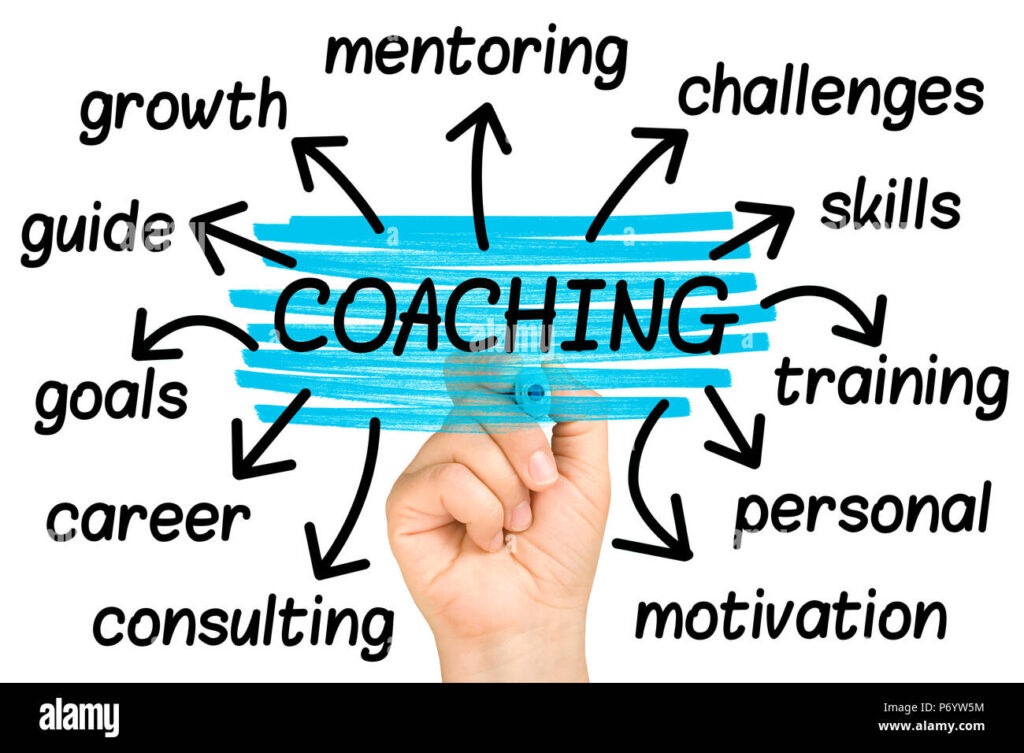
Career coaching is a professional development process that helps employees understand their career goals and create strategies to achieve them. A career coach provides guidance, support, and practical advice to help individuals improve performance, build confidence, and make informed career decisions.
In the workplace, career coaching can be offered through HR departments, internal mentors, leadership programs, or external professional coaches. The goal is to support employees in their personal and professional growth while aligning their development with organizational objectives.
Employee turnover is expensive and disruptive for organizations. Replacing skilled employees requires time, recruitment costs, onboarding, and training. High turnover can also lower team morale and reduce productivity.
Modern employees value growth opportunities as much as compensation. When employees feel stuck or unsupported, they are more likely to search for opportunities elsewhere. Career coaching helps solve this problem by giving employees a clear path for advancement and development within the organization.
Employees who receive coaching often feel:
As a result, companies that invest in career coaching often experience stronger employee loyalty and reduced turnover rates.
One of the biggest reasons employees leave organizations is uncertainty about their future. Career coaching helps employees identify career goals and understand what steps they need to take to achieve them.
When employees see growth opportunities within the company, they are more likely to stay engaged and committed. Clear career paths reduce frustration and give employees a sense of purpose.
Employees who feel supported are naturally more engaged at work. Career coaching encourages open communication, active learning, and goal setting. This creates a positive work environment where employees feel heard and appreciated.
Engaged employees are more productive, collaborative, and loyal to their employers. HR teams that prioritize coaching often build stronger workplace cultures and healthier employee relationships.
Career coaching creates regular conversations between employees and leaders. These discussions help managers understand employee aspirations, challenges, and development needs.
When employees trust that their organization genuinely cares about their growth, they develop stronger emotional connections with the company. This trust plays a major role in improving retention.
Burnout continues to be a major issue in modern workplaces. Employees who feel overwhelmed or directionless often lose motivation. Career coaching helps employees manage stress, improve work-life balance, and regain focus on their professional goals.
Coaches can help employees identify strengths, prioritize responsibilities, and develop healthier work habits. This support improves both mental well-being and job satisfaction.
This helps employees identify skill gaps and create plans for improvement. Whether it is communication, leadership, problem-solving, or technical expertise, coaching encourages continuous learning.
Employees who actively improve their skills become more productive and confident in their roles. Better performance directly contributes to organizational success.
Employees often perform better when they believe in their abilities. Career coaching provides encouragement, constructive feedback, and actionable strategies for growth.
When employees gain confidence, they become more willing to take initiative, solve problems, and contribute innovative ideas. Motivated employees are also more likely to exceed expectations and achieve higher performance levels.
Organizations need strong future leaders to remain competitive. Career coaching helps identify high-potential employees and prepare them for leadership roles.
Leadership coaching focuses on communication, decision-making, emotional intelligence, and team management. Employees who receive leadership coaching often transition more successfully into managerial positions.
Career coaching emphasizes clear and measurable goals. Employees learn how to create achievable objectives and track their progress effectively.
Goal-oriented employees tend to stay focused, organized, and accountable. This structured approach improves efficiency and overall workplace performance.
HR professionals play a critical role in building successful career coaching programs. They can:
Organizations that integrate coaching into their HR strategy often create stronger employer brands and more resilient workforces.
As workplaces continue to evolve, career coaching is becoming more personalized and technology-driven. Some key trends include:
Companies that adapt to these trends will be better positioned to attract and retain top talent.
Career coaching has become an essential tool for improving employee retention and performance in modern organizations. Employees want more than just jobs they want guidance, growth, and opportunities to succeed.
By investing in career coaching, companies can create motivated teams, improve productivity, reduce turnover, and build a stronger workplace culture. In 2026, organizations that prioritize employee development will have a clear competitive advantage in attracting and retaining skilled professionals.
For HR leaders, career coaching is no longer optional. It is a strategic investment in people, performance, and long-term business success.