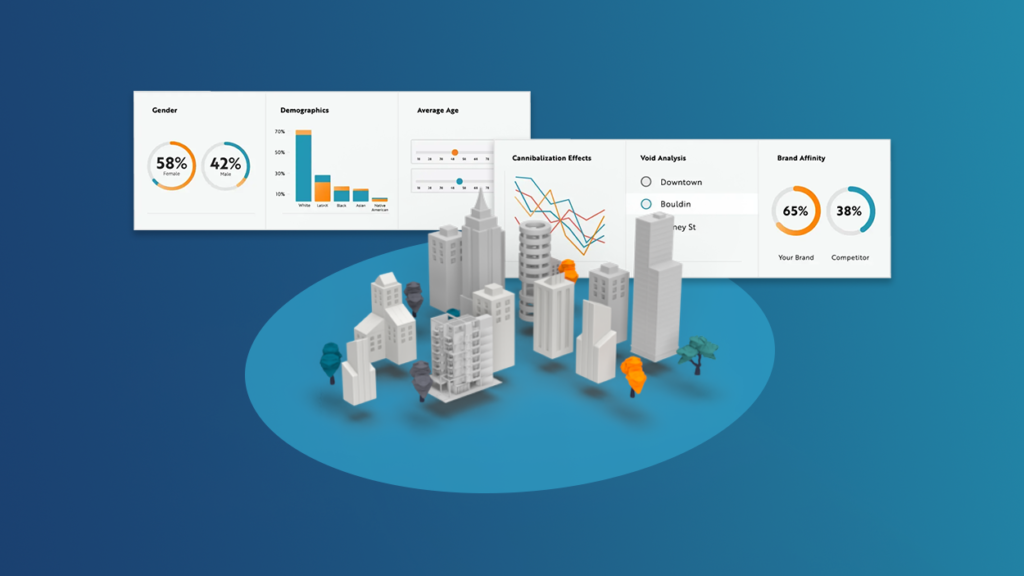
Compensation Analytics has become an essential part of modern HR strategy as organizations strive to attract top talent, retain high-performing employees, and maintain fair pay practices in an increasingly competitive job market. Today’s employees expect more than just a competitive salary—they want transparency, equitable compensation, and confidence that their contributions are recognized fairly. At the same time, HR leaders must balance payroll budgets, comply with evolving pay regulations, and make compensation decisions that support long-term business goals.
Relying solely on intuition or annual salary reviews is no longer enough. HR professionals now use compensation analytics to transform payroll data, market salary benchmarks, performance metrics, and workforce insights into informed compensation decisions. By analysing this data, organizations can identify pay gaps, benchmark salaries against industry standards, strengthen pay equity, and allocate compensation budgets more effectively. Instead of reacting to compensation challenges after they arise, businesses can take a proactive approach that improves employee satisfaction while supporting financial sustainability.
Whether you’re building a compensation strategy for a growing startup or refining pay structures within a large enterprise, understanding compensation analytics can help you make smarter, data-driven decisions. In this comprehensive guide, you’ll learn what compensation analytics is, why it matters, the key metrics every HR team should track, implementation best practices, common challenges, and future trends shaping compensation management in 2026.
Compensation analytics is the process of collecting, analysing, and interpreting employee compensation data to support informed, fair, and strategic pay decisions. Rather than relying solely on experience or annual salary reviews, HR professionals use compensation analytics to evaluate salaries, bonuses, incentives, benefits, and total rewards against business objectives and current market conditions. This data-driven approach enables organizations to create compensation strategies that are competitive, transparent, and aligned with both employee expectations and organizational goals.
Modern compensation analytics combines information from payroll systems, HRIS platforms, performance evaluations, salary benchmarking reports, and workforce analytics to provide a comprehensive view of an organization’s compensation practices. Instead of asking whether salaries are simply being paid correctly, it helps HR teams answer more strategic questions, such as whether employees are compensated fairly, whether pay structures remain competitive, and whether compensation investments are delivering measurable business value.
For example, an HR manager preparing the annual salary review can use compensation analytics to identify employees whose salaries have fallen below market benchmarks, uncover unexplained pay disparities between similar roles, and estimate the financial impact of proposed salary adjustments before decisions are finalized. This allows organizations to make objective compensation decisions based on reliable data rather than assumptions.
Some of the key questions compensation analytics helps answer include:
By turning complex compensation data into actionable insights, compensation analytics enables organizations to build fair pay structures, improve workforce planning, strengthen employee trust, and support long-term business growth.
Although these terms are often used interchangeably, they have different purposes.
| Compensation Analytics | Compensation Management |
|---|---|
| Focuses on analyzing compensation data | Focuses on administering employee pay |
| Supports strategic decision-making | Handles payroll, salary structures, and benefits |
| Uses dashboards, reports, and predictive analytics | Uses HR policies and compensation plans |
| Identifies trends and pay gaps | Implements compensation policies |
| Helps optimize compensation strategies | Ensures employees receive accurate compensation |
In simple terms, compensation management handles how compensation is delivered, while compensation analytics focuses on how compensation decisions are made using data.
As organizations become increasingly data-driven, HR leaders are expected to make compensation decisions that are objective, transparent, and aligned with business goals. Compensation analytics provides the evidence needed to create fair pay practices while controlling labor costs.
Here are the primary reasons why compensation analytics has become essential for modern organizations.
One of the biggest advantages of compensation analytics is its ability to identify pay disparities across departments, roles, locations, or demographic groups.
Organizations can:
Pay equity analysis also helps organizations comply with evolving labor regulations and build greater trust among employees.
Top talent compares salary offers before accepting a job. Compensation analytics enables HR teams to compare internal salaries with external market data to ensure compensation remains competitive.
Benefits include:
Salary benchmarking also helps organizations adjust compensation strategies based on changing market conditions.
Employees who believe they are compensated fairly are generally more engaged and less likely to seek opportunities elsewhere.
Compensation analytics helps organizations:
When combined with initiatives that foster Psychological Safety in the Workplace, fair and transparent compensation practices contribute to a more engaged, motivated, and loyal workforce.
Payroll often represents one of the largest business expenses. Compensation analytics helps organizations forecast future compensation costs and allocate budgets more efficiently.
HR leaders can use compensation data to:
This improves financial decision-making without compromising employee satisfaction.
Modern organizations increasingly reward employees based on measurable performance rather than tenure alone.
Compensation analytics helps HR teams evaluate:
This ensures compensation investments generate measurable business value.
Employment laws regarding equal pay and compensation transparency continue to evolve worldwide.
Compensation analytics helps organizations:
Using data-driven compensation strategies reduces compliance risks while improving organizational transparency.
Employees increasingly expect organizations to explain how compensation decisions are made.
Compensation analytics provides objective evidence that salaries are based on:
Transparent compensation practices strengthen employee confidence in leadership and create a culture of fairness.
By leveraging compensation analytics, organizations move beyond reactive salary decisions and build proactive compensation strategies that benefit both employees and the business. In the next section, we’ll explore the essential metrics every HR team should track to measure the effectiveness of their compensation strategy.
Tracking the right metrics is the foundation of an effective compensation analytics strategy. Without measurable data, organizations cannot accurately assess whether their pay practices are competitive, equitable, or aligned with business goals.
The following compensation metrics help HR leaders make informed decisions, optimize payroll budgets, and improve employee satisfaction.
The Compa-Ratio compares an employee’s current salary with the midpoint of the salary range for their position.
Formula:
Compa-Ratio = (Employee Salary ÷ Salary Range Midpoint) × 100
A Compa-Ratio helps determine whether employees are underpaid, overpaid, or paid appropriately for their role.
Compa-Ratio = 93.3%
This indicates the employee earns slightly below the market midpoint.
Salary range penetration measures where an employee’s salary falls within the designated salary range.
It helps HR teams understand career progression and determine whether employees are nearing the top of their pay band.
This metric assists organizations in:
Competitive compensation is essential for attracting and retaining skilled employees.
Market competitiveness compares internal salaries with industry salary benchmarks.
Organizations should review market data regularly because salary expectations change rapidly across industries.
Pay equity analysis identifies compensation differences between employees performing similar work.
Organizations typically analyze compensation based on:
Pay equity metrics help organizations:
Companies with transparent compensation practices often experience stronger employee engagement and organizational credibility.
Employee compensation extends beyond base salary.
A complete rewards package includes:
Analyzing total rewards enables HR teams to evaluate the full value delivered to employees.
This metric measures the average compensation cost associated with each employee.
It includes:
Tracking compensation costs helps organizations:
Annual salary increases should positively impact employee performance and retention.
Organizations should monitor:
Analyzing these trends ensures salary increases deliver measurable business value.
Bonuses should encourage higher performance rather than simply increase payroll expenses.
Useful metrics include:
Organizations can refine bonus structures using these insights.
Retention analytics evaluates whether compensation influences employee turnover.
HR teams often compare:
These insights help improve compensation strategies that retain valuable talent.
Employees performing similar work should receive similar compensation based on skills, experience, and performance.
Compensation analytics identifies:
Maintaining internal consistency strengthens employee trust and supports equitable pay practices.
Implementing compensation analytics requires more than collecting payroll data. Organizations need a structured approach that combines technology, reliable data, and strategic decision-making.
Follow these steps to build an effective compensation analytics program.
Begin by identifying what you want compensation analytics to achieve.
Common objectives include:
Clear goals help determine which metrics should be tracked.
Data quality directly impacts the effectiveness of compensation analytics.
Gather information from sources such as:
Ensure the data is complete, consistent, and regularly updated.
Before analyzing data, standardize job titles, salary structures, departments, and employee classifications.
This reduces reporting errors and enables meaningful comparisons across the organization.
External salary benchmarking helps organizations remain competitive.
Compare compensation using factors such as:
Benchmarking should be conducted annually or whenever significant market changes occur
Evaluate compensation across different employee groups to identify unexplained pay gaps.
Questions to consider include:
Addressing inequities improves compliance and employee confidence.
Dashboards transform complex compensation data into actionable insights.
Useful dashboard metrics include:
Interactive dashboards enable HR leaders to monitor compensation in real time.
Predictive analytics helps organizations anticipate future compensation needs.
Examples include:
Predictive insights support proactive decision-making rather than reactive adjustments.
Employees value fairness and clarity in pay decisions.
Create policies that clearly explain:
Transparent policies improve trust and reduce misunderstandings.
Compensation analytics is an ongoing process.
Regularly review:
Continuous improvement ensures compensation strategies remain relevant and competitive.
When implemented effectively, compensation analytics delivers measurable advantages, including:
By integrating compensation analytics into everyday HR practices, organizations can create fair, competitive, and sustainable compensation programs that drive both employee satisfaction and long-term business success.
While compensation analytics offers significant advantages, organizations often face obstacles that can limit its effectiveness. Understanding these challenges and implementing practical solutions can help HR teams develop a more accurate and reliable compensation strategy.
Compensation analytics is only as reliable as the data used to generate insights. Inaccurate or outdated employee records can lead to poor compensation decisions.
Without reliable market benchmarks, organizations may unknowingly underpay or overpay employees.
Unintentional pay disparities can damage employee trust and expose organizations to legal risks.
Managers and leadership teams may hesitate to adopt data-driven compensation practices if they are accustomed to traditional decision-making.
Employee compensation data is highly sensitive and must be protected.
Organizations often use different systems for payroll, performance management, benefits, and workforce planning, making data integration challenging.
AI-powered analytics tools can identify compensation patterns, predict turnover risks, and recommend salary adjustments with greater accuracy.
Predictive models help HR teams forecast future compensation costs, identify employees at risk of leaving, and anticipate workforce needs before challenges arise.
Many organizations are adopting greater transparency by publishing salary ranges and clearly explaining how compensation decisions are made. This trend is expected to continue as employees seek more equitable workplaces.
Rather than offering standardized benefits, organizations are increasingly customizing rewards based on employee preferences, career stages, and work arrangements.
Examples include:
Modern dashboards provide real-time visibility into compensation metrics, allowing executives to make faster, data-driven decisions while monitoring key workforce trends.
Compensation analytics has become an essential tool for organizations seeking to make smarter, fairer, and more strategic pay decisions. By transforming compensation data into actionable insights, businesses can improve salary competitiveness, enhance employee retention, promote pay equity, and optimize workforce planning.
A successful compensation analytics strategy goes beyond simply reviewing payroll data. It requires accurate information, reliable salary benchmarking, meaningful performance metrics, and continuous monitoring. Organizations that invest in modern analytics tools and transparent compensation practices are better equipped to attract top talent and build a motivated workforce.
As technology continues to evolve, AI, predictive analytics, and real-time reporting will further enhance the ability of HR leaders to create compensation strategies that support both employee well-being and long-term business success.
Whether you’re just beginning your compensation analytics journey or looking to improve an existing strategy, adopting a data-driven approach today can provide a significant competitive advantage tomorrow.