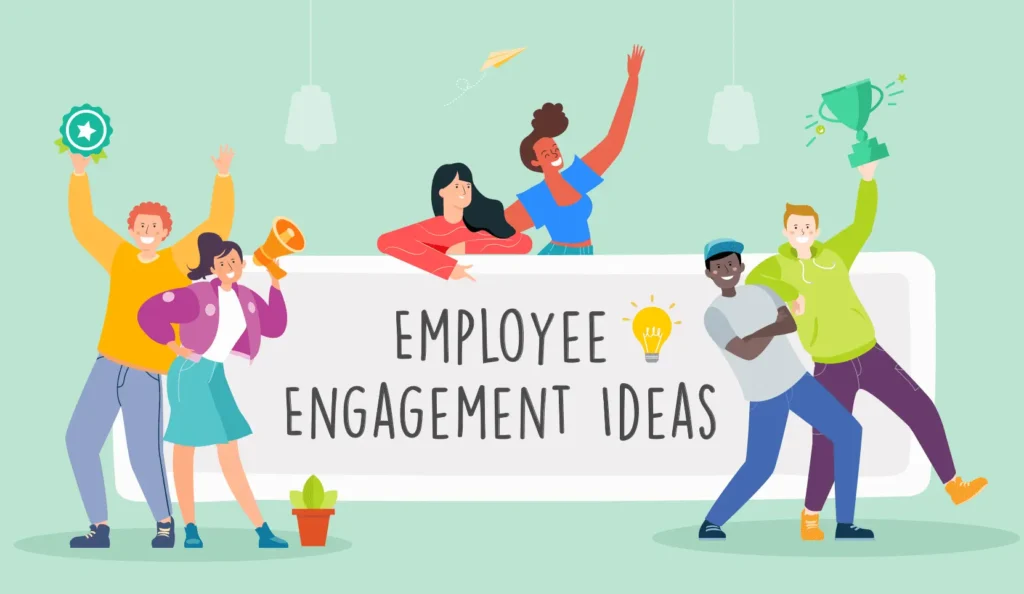
Employee engagement activities has become one of the most important factors in building a successful organization. Companies today are not just focused on hiring skilled employees but also on ensuring that those employees remain motivated, satisfied, and connected to their workplace. When employees are engaged, they feel emotionally invested in their work and aligned with the organization’s goals. This leads to higher productivity, better performance, improved teamwork, and lower turnover rates.
On the other hand, disengaged employees can negatively impact workplace morale and efficiency. This is why organizations are increasingly investing in structured employee engagement activities that create a positive and supportive work environment.
In this article, we explore the most effective employee engagement activities that can help organizations strengthen workplace culture and improve overall productivity.
Team building activities are one of the most effective ways to improve collaboration and trust among employees. These activities encourage individuals to work together outside their daily job roles, helping them understand each other better.
Organizations can organize indoor games, outdoor sports, group problem-solving tasks, or adventure-based activities. Even simple office-based team games can improve communication and reduce barriers between departments.
When employees build stronger relationships, they communicate more effectively at work, leading to smoother project execution and fewer conflicts.
Recognition is a powerful motivator. Employees who feel appreciated are more likely to stay engaged and committed to their work. A structured recognition and rewards program ensures that hard work and achievements are acknowledged consistently.
Companies can implement employee-of-the-month awards, performance bonuses, peer-to-peer recognition systems, or simple public appreciation during meetings.
Even small gestures like a thank-you email or verbal appreciation from a manager can significantly boost morale and motivation
Transparent communication is essential for building trust within an organization. Employees should feel that their opinions matter and that they can freely express their ideas or concerns.
Organizations can conduct regular one-on-one meetings, employee surveys, suggestion boxes, or town hall meetings. These platforms give employees a voice and help management understand workplace challenges.
When employees feel heard, they become more engaged and committed to the organization’s success.
Celebrating special occasions helps create a sense of belonging and strengthens workplace relationships. Events such as birthdays, work anniversaries, festivals, and project completion celebrations bring positivity into the workplace.
Festive gatherings, cultural events, and team lunches allow employees to relax and connect on a personal level. These moments build emotional bonds and improve overall workplace happiness.
A workplace that celebrates together often works better together.
Career growth is a key factor in employee engagement. Employees are more likely to stay engaged when they see opportunities for learning and advancement.
Organizations should invest in training programs, workshops, mentorship opportunities, and skill development courses. These programs not only enhance employee capabilities but also prepare them for future roles within the company.
When employees feel that their organization is investing in their growth, they become more loyal and motivated.
Employee well-being plays a major role in engagement and productivity. Healthy employees are happier, more focused, and more efficient.
Companies can introduce wellness initiatives such as yoga sessions, gym memberships, mental health support, stress management workshops, and health check-up camps.
Promoting a balanced lifestyle shows employees that the organization cares about their overall well-being, not just their performance.
Work-life balance is increasingly important in today’s work environment. Offering flexible work arrangements can significantly improve employee satisfaction and engagement.
Options such as remote work, hybrid models, flexible working hours, or compressed workweeks allow employees to manage personal and professional responsibilities more effectively.
Flexibility reduces stress and improves productivity, as employees can work in environments where they feel most comfortable.
A positive and enjoyable workplace culture is essential for long-term engagement. Fun activities help reduce stress and create a relaxed environment.
Organizations can introduce “Fun Fridays,” game sessions, themed dress days, talent shows, or casual team lunches. These activities break the monotony of routine work and help employees feel refreshed.
When employees enjoy their workplace, they naturally become more engaged and productive.
Engaging employees in social responsibility initiatives helps them feel connected to a larger purpose. CSR activities such as tree plantation drives, charity events, donation campaigns, or community service programs build a sense of fulfillment.
Employees who participate in social causes often feel more satisfied with their organization because they are contributing to meaningful work beyond business goals.
This also strengthens team bonding as employees work together for a common cause.
Encouraging employees to share ideas fosters creativity and innovation within the organization. When employees feel that their suggestions are valued, they become more engaged and proactive.
Organizations can create innovation portals, suggestion systems, brainstorming sessions, or internal hackathons where employees can present new ideas.
This not only improves engagement but also helps companies discover new opportunities for growth and improvement.
Employee engagement activities is no longer optional it is a critical part of organizational success. Companies that invest in employee engagement activities create stronger workplace cultures, improve employee satisfaction, and achieve higher productivity.
From team-building exercises and recognition programs to wellness initiatives and flexible work arrangements, each activity plays a vital role in shaping a positive work environment.
A well-engaged workforce is more committed, innovative, and aligned with company goals. In the long run, organizations that prioritize employee engagement activities are more likely to retain talent, reduce turnover, and achieve sustainable growth.